Founder | Director of Care | Community Advocate
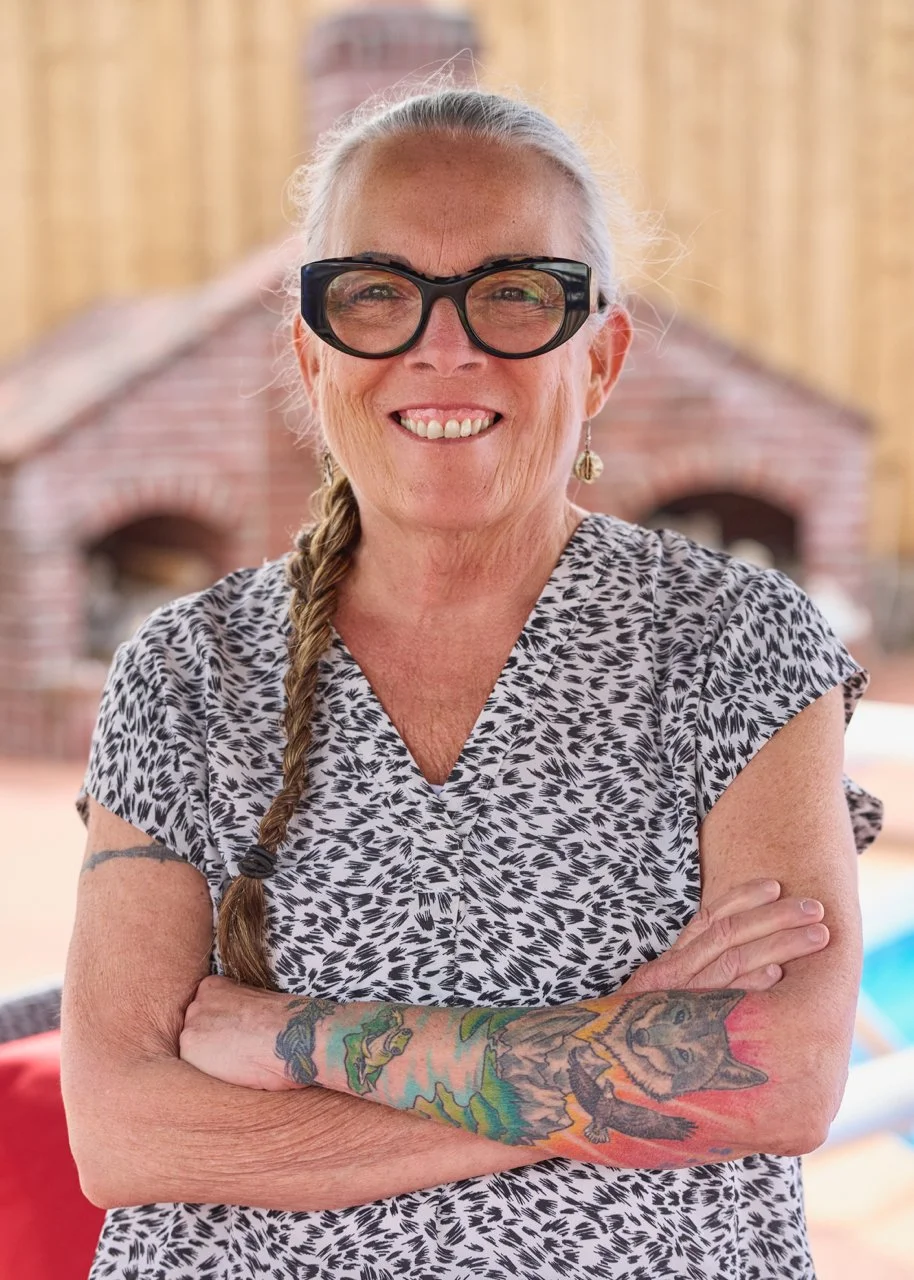
Dr. Peggy Shaughnessy
Dr. Peggy Shaughnessy is the founder of the RedPath approach and the visionary behind the RedPath Wellness Centre in Peterborough, Ontario. Her work is grounded in a simple and enduring truth: people are not broken — they are disconnected.
For more than two decades, Peggy has dedicated her career to developing and delivering community-based healing programs that address the emotional and social roots of addiction, violence, trauma, and disconnection. Her work moves beyond symptom management, focusing instead on awareness, accountability, storytelling, and human connection as pathways to lasting wellness.

A Community-Rooted Approach
Peggy’s approach has been shaped by years of listening to individuals, families, and communities within Canada. Across systems — health, justice, education, and social services — she observed a consistent gap: while many approaches focus on stabilization, diagnosis, and compliance, there is often little space to explore the underlying experiences that shape how people cope, survive, and relate.
The RedPath model was developed in response to this gap. It is a structured, relational model that supports healing within community rather than in isolation. It emphasizes responsibility without shame, accountability with compassion, and the power of shared story to restore connection.
The Development of RedPath
In 2002, Peggy founded Whitepath Consulting, where the RedPath approach was further developed and delivered in communities across Canada. This work focused in part on supporting the reintegration of individuals returning from federal institutions, addressing the emotional and relational impacts of incarceration alongside the practical challenges of re-entry.
RedPath was developed and piloted in Kingston Penitentiary following a needs assessment that identified a gap in available programming for Indigenous offenders. At the time, existing approaches within correctional facilities relied heavily on cognitive behavioural therapy and did not adequately address the cultural, spiritual, and relational dimensions of healing. RedPath was created to respond to these gaps and better reflect the lived realities of the Indigenous offenders it was designed to support.
These men at Kingston Penitentiary named the program RedPath, describing it as walking in a good way — choosing a life guided by honesty, respect, responsibility, and connection, and turning away from destructive paths such as addiction and violence.
Over the next two decades, RedPath was delivered in communities across Canada, particularly within Indigenous communities, where the same truth continued to emerge: people are not broken — they are disconnected. Healing becomes possible when those disconnections are addressed within safe, supportive community spaces.

Leadership in Peterborough
In 2022, Peggy helped bring the RedPath approach to Peterborough through the Moving Beyond Addiction Pilot Project, funded by the Ontario government. Delivered in partnership with Right to Heal, this initiative highlighted the need for dedicated spaces that support long-term healing, not just short-term stabilization.
In 2025, Peggy opened the RedPath Wellness Centre at 271 Brock Street in partnership with Right to Heal, a registered not-for-profit Canadian charity. Together, they work to ensure that RedPath services remain accessible to individuals who are ready to engage in meaningful change, regardless of financial circumstance.
Recognition & Impact
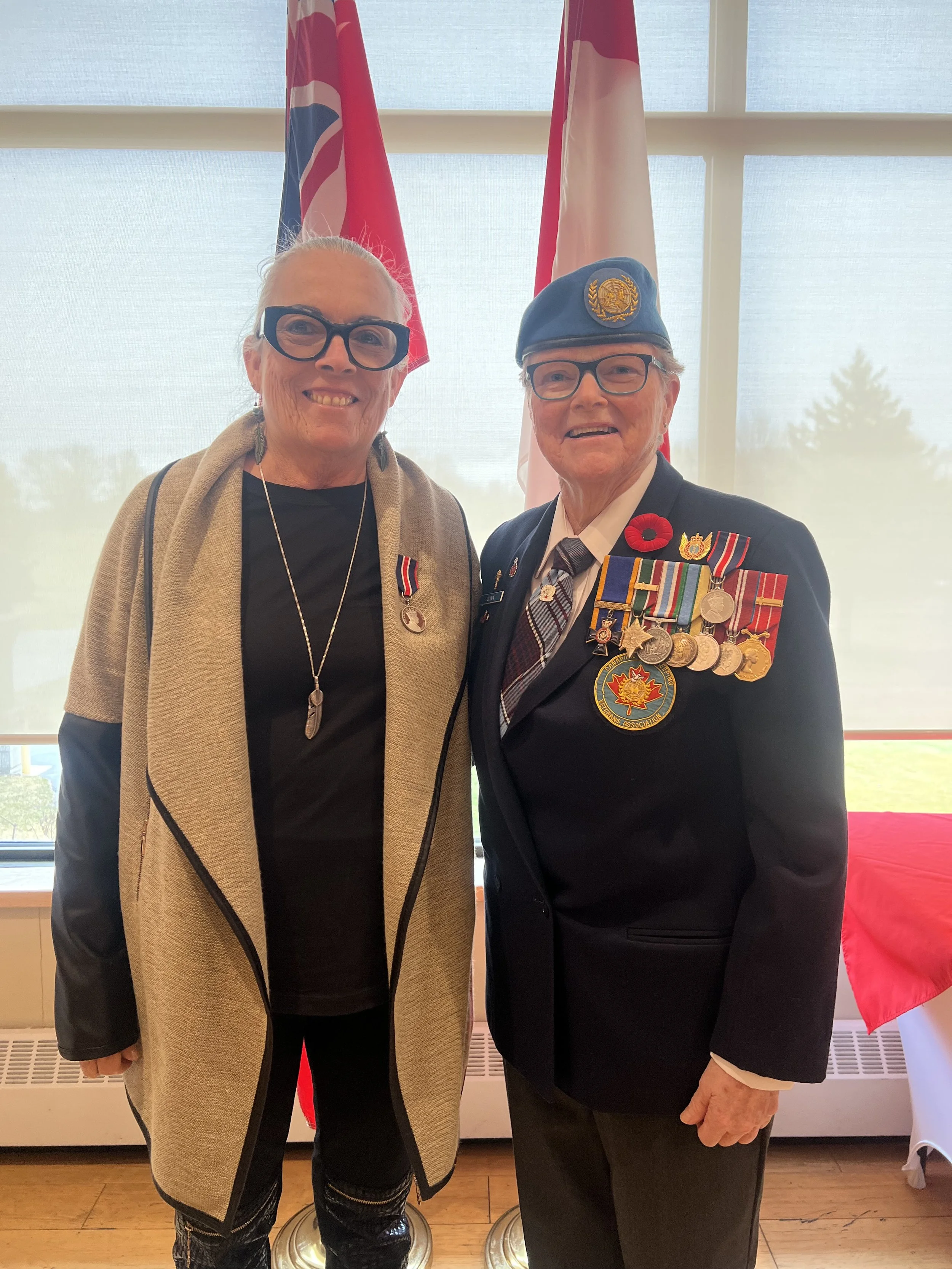
Peggy’s leadership and community advocacy have been recognized at both local and national levels. In March 2025, she was awarded the King Charles III Coronation Medal in recognition of her contributions to community healing and social wellbeing. Her work is also featured in the documentary Peggy Shaughnessy: Healing Outside the System, which was screened in September and is scheduled for public release in the spring.
Peggy was inducted into the Peterborough Pathway of Fame in both the Humanitarian and Samaritan categories, recognizing her longstanding commitment to community healing and social impact in Peterborough.
Alongside her local work, Peggy provides training through the RedPath Wellness Centre, supporting organizations and communities across Canada and beyond to deliver RedPath programs in their own regions. These programs are used in residential treatment centres, outpatient settings, justice systems, community organizations and on the land programs. Her work is widely respected for its integrity, cultural responsiveness, and emphasis on lived experience as a source of knowledge.
Academic & Research Background
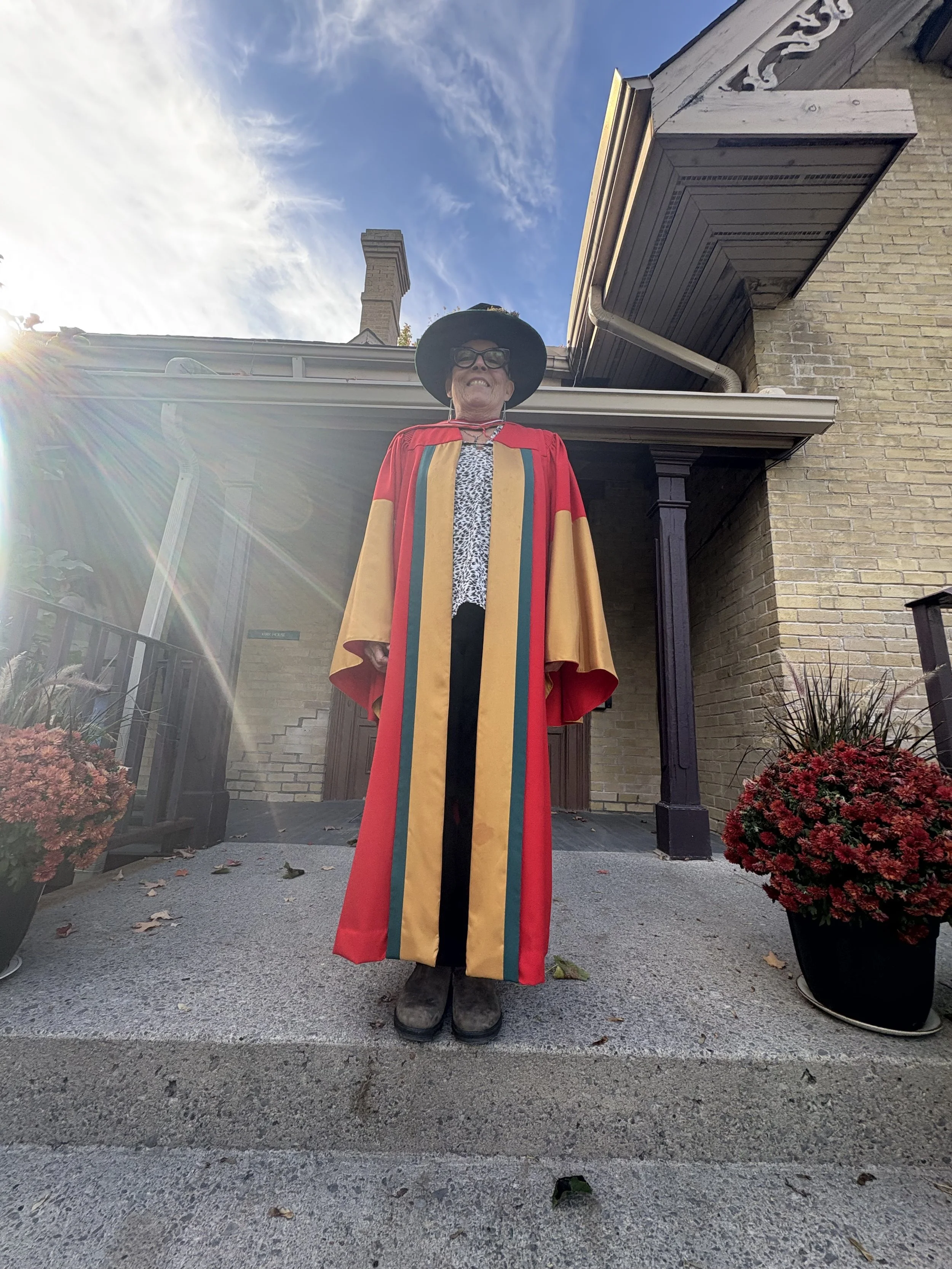
Dr. Shaughnessy holds both a Master’s degree and a PhD. Her doctoral work examined how colonial and legal systems regulate Indigenous masculinities, deepen criminalization, and restrict opportunities for Indigenous men to heal. Her career bridges frontline care, program development, research, and systems advocacy.
Her research and professional interests include:
Trauma-informed addiction care and recovery pathways
Integrated models of care (crisis → recovery → wellness)
Justice involvement, diversion, and non-carceral responses
Psychiatric distress and addiction intersections
Community-based healing and reintegration
Colonial violence and legal narratives
Selected Academic Work:
Shaughnessy, P. (2026). Echoes of Injustice: Regulating Indigenous Masculinity Through Canadian Legal and Colonial Systems (Doctoral dissertation, Trent University).
O’Reilly-Shaughnessy, P. (2001). Friction within the machine: Aboriginal prisoners behind the wall (Master’s thesis).
Parker, J. D., Wood, L. M., Bond, B. J., & Shaughnessy, P. (2004). Alexithymia in young adulthood: A risk factor for pathological gambling. Psychotherapy and Psychosomatics, 74(1), 51–55.
Parker, J. D., Saklofske, D. H., Shaughnessy, P. A., Huang, S. H., Wood, L. M., & Eastabrook, J. M. (2005). Generalizability of the emotional intelligence construct: A cross-cultural study of North American Aboriginal youth. Personality and Individual Differences, 39(1), 215–227.
Parker, J. D., Shaughnessy, P. A., Wood, L. M., Majeski, S. A., & Eastabrook, J. M. (2005). Cross-cultural alexithymia: Validity of the 20-item Toronto Alexithymia Scale in North American Aboriginal populations. Journal of Psychosomatic Research, 58(1), 83–88.
Dr. Shaughnessy’s time and work are focused on program development, leadership, and community-based healing initiatives.
For inquiries related to RedPath programs, facilitator training, partnerships, or speaking engagements, please use the contact form below or reach out through the appropriate program page. A member of the team will respond and ensure your inquiry is directed appropriately.